
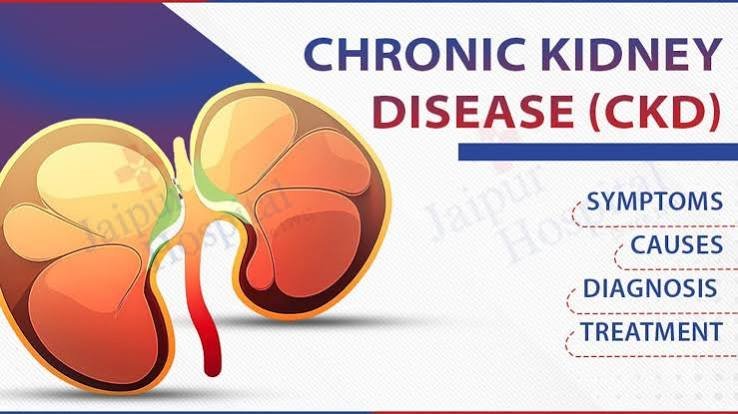
Your kidneys play an important role in keeping your body healthy. They filter waste and excess fluid from your blood, help regulate important minerals, and contribute to blood-pressure control.
One of the challenges with chronic kidney disease (CKD) is that it can develop gradually and may cause few or no noticeable symptoms in its early stages. By the time symptoms become obvious, kidney disease may already be advanced.
The infographic above highlights several symptoms that can occur as kidney disease progresses.
1. Dry and Itchy Skin
Dry or itchy skin can occur in people with more advanced CKD. Changes in the body’s waste and mineral balance can contribute to itching and skin changes.
Persistent itching, especially when accompanied by other symptoms, should not simply be assumed to be a skin problem.
2. Tiredness or Weakness
Feeling unusually tired, weak, or lacking energy can be associated with CKD. Kidney disease can also be associated with anemia, which may contribute to fatigue and weakness.
If tiredness continues without an obvious explanation, consider speaking with a healthcare professional.
3. Foamy or Bubbly Urine
Foamy or unusually bubbly urine can sometimes be a sign that there is excess protein in the urine. Protein in the urine can occur with kidney damage.
However, foamy urine alone does not confirm kidney disease. Testing is needed to determine the cause.
4. Swelling of the Feet, Ankles, Hands or Legs
When damaged kidneys have difficulty removing excess salt and fluid, fluid can build up in the body. This may cause swelling, particularly around the feet, ankles and legs, and sometimes the hands or face.
Unexplained or persistent swelling deserves medical attention.
5. Puffy Eyes
Puffiness around the eyes can occur when fluid builds up or when protein is lost through the urine. It can be more noticeable in the morning.
Like the other symptoms on this list, puffy eyes can have many possible causes, so it should not automatically be attributed to kidney disease.
6. Trouble Sleeping
Sleep problems can occur in people with CKD, particularly as the disease becomes more advanced.
If you regularly have difficulty sleeping together with fatigue, swelling, changes in urination, or other symptoms, talk to a healthcare professional.
7. Loss of Appetite
A reduced appetite can occur with more advanced kidney disease. Nausea and vomiting may also occur.
Unexplained loss of appetite or weight loss should be evaluated rather than ignored.
8. Muscle Cramps
Muscle cramps or aching muscles can occur in people with more advanced CKD. Changes in fluid and mineral balance may contribute to these symptoms.
Frequent or severe cramps should be discussed with a healthcare professional, particularly if other symptoms are present.
9. Urinating More Often
Changes in how often you urinate can occur with kidney disease. Some people may need to urinate more frequently, particularly at night, while advanced disease can also cause reduced urine output.
Changes in urination can have many causes, so testing is important.
The Most Important Thing to Remember
Symptoms alone cannot tell you whether you have chronic kidney disease.
Early CKD often has no symptoms, which is why blood and urine tests are important for people who are at increased risk. Diabetes and high blood pressure are major risk factors for CKD, along with heart disease and a family history of kidney disease.
Testing can include blood tests to assess kidney function and urine tests to look for protein or other abnormalities.
When Should You Get Checked?
Consider speaking with a healthcare professional if you have persistent:
- Swelling in your feet, ankles, hands or around your eyes
- Foamy urine
- Changes in urination
- Unexplained tiredness or weakness
- Persistent itching or dry skin
- Loss of appetite
- Muscle cramps
- Sleep problems
You should be especially proactive about kidney testing if you have diabetes, high blood pressure, heart disease, or a family history of kidney disease.
Protecting Your Kidney Health
If you already have CKD, appropriate medical care can help slow its progression. Managing blood pressure and blood glucose, following your healthcare professional’s advice, staying physically active, maintaining a healthy weight, and taking prescribed medicines correctly are among the measures recommended for managing CKD.
Final Message from Afric Herbal Medication
At Afric Herbal Medication, we encourage people to take persistent health symptoms seriously and seek appropriate medical evaluation. Herbal medication or supplements should not be used as a substitute for diagnosis, prescribed treatment, dialysis, or other medical care when these are needed.
If you recognize several of these symptoms, don’t wait for them to become severe. Talk to a qualified healthcare professional and ask about kidney testing.
Afric Herbal Medication — Quality Herbal Medicine | Trusted Service | Natural Health Support
This article is for general educational purposes and is not a diagnosis or a substitute for professional medical advice.

Discussion
0 CommentsShare your thoughts — every perspective adds value.