
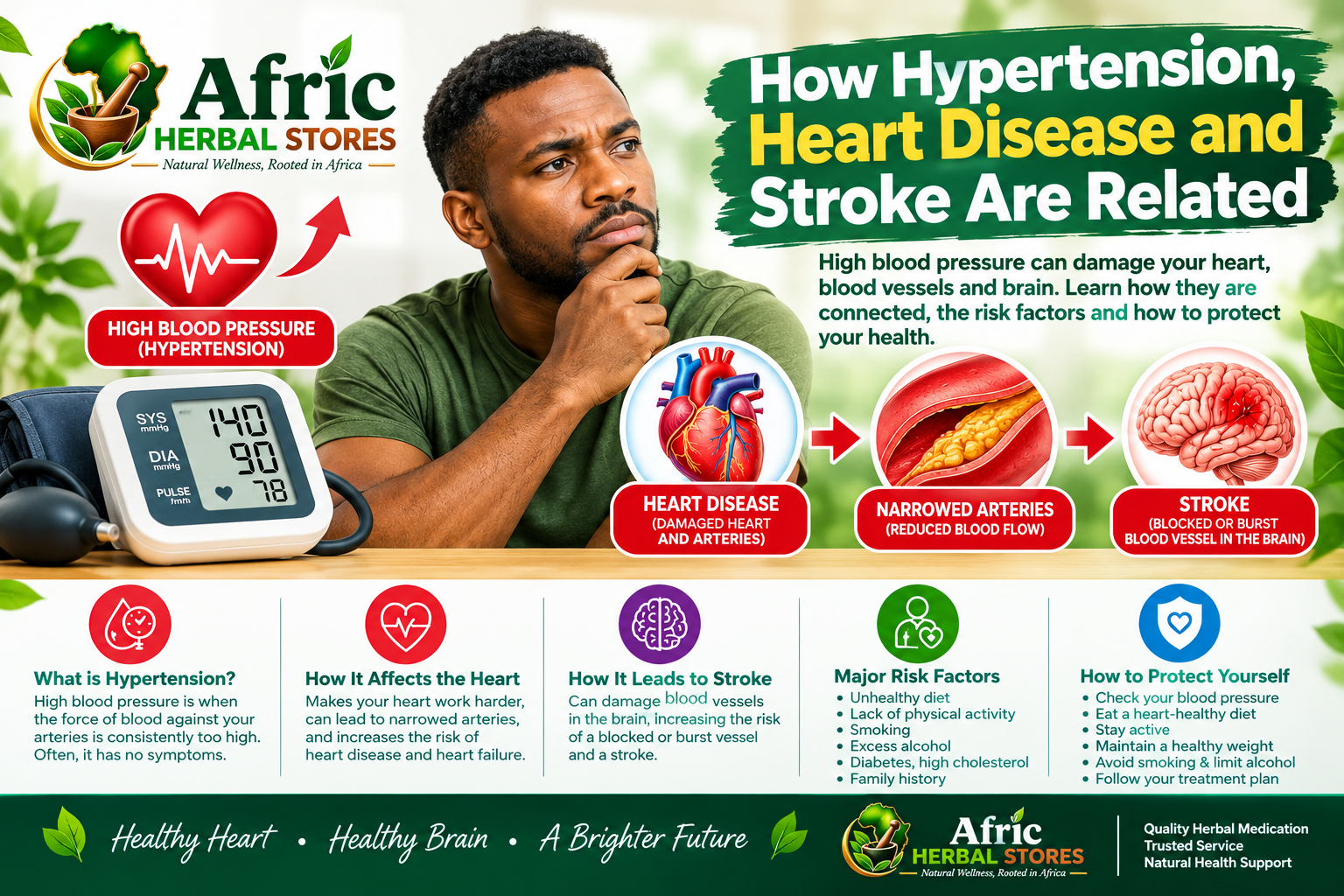
High blood pressure, also called hypertension, is one of the most important risk factors for heart disease and stroke. Although hypertension may not cause noticeable symptoms, persistently high blood pressure can place stress on blood vessels and the heart over time.
Understanding the connection between hypertension, heart disease and stroke can help you recognize the importance of checking your blood pressure regularly and taking steps to protect your cardiovascular health.
What Is Hypertension?
Hypertension occurs when the force of blood against the walls of your arteries is consistently too high.
One of the challenges with high blood pressure is that it often has no obvious warning signs or symptoms. The only reliable way to know your blood pressure is high is to have it measured.
When high blood pressure remains uncontrolled, it can damage blood vessels and increase the risk of serious health problems.
How Does High Blood Pressure Affect the Heart?
Your heart has to work harder when it pumps blood against increased pressure in the arteries.
Over time, uncontrolled hypertension can contribute to changes in the heart and blood vessels and increase the risk of conditions such as coronary artery disease, heart failure and other cardiovascular problems.
This is why managing blood pressure is an important part of protecting heart health.
High Blood Pressure and Narrowed Arteries
High blood pressure can contribute to damage of the arteries. Along with other risk factors, this can contribute to the development of atherosclerosis, where plaque builds up inside the arteries.
Narrowed or blocked arteries can restrict blood flow to important organs, including the heart and brain.
How Can Hypertension Lead to Stroke?
The relationship between high blood pressure and stroke is particularly important.
A stroke can happen when a blood vessel supplying the brain becomes blocked or when a blood vessel bursts. High blood pressure can damage arteries and make these events more likely.
The CDC identifies high blood pressure as a leading cause of stroke and recommends regular blood-pressure checks and appropriate management.
This means that controlling hypertension can play an important role in reducing stroke risk.
Hypertension, Heart Disease and Stroke Share Several Risk Factors
Several lifestyle and health factors can increase the risk of high blood pressure and cardiovascular disease.
These include:
- Being physically inactive
- Unhealthy eating patterns
- Excess body weight
- Smoking
- Excessive alcohol consumption
- Diabetes
- High cholesterol
- Uncontrolled blood pressure
- Family history of cardiovascular disease
Some risk factors cannot be changed, but many can be addressed through healthier lifestyle choices and appropriate medical care.
What Are the Symptoms of Hypertension?
One reason hypertension is sometimes called a “silent” condition is that many people do not experience noticeable symptoms.
You should not wait for symptoms before checking your blood pressure. Regular blood-pressure measurement is important because a person can have hypertension without feeling unwell.
If blood pressure is severely elevated and symptoms such as chest pain, shortness of breath, weakness, numbness, vision changes or difficulty speaking occur, urgent medical attention is needed.
How Can You Protect Your Heart and Reduce Stroke Risk?
Managing blood pressure is an important part of cardiovascular health.
1. Check Your Blood Pressure
Regular blood-pressure checks can help identify hypertension early. Accurate measurement is important when assessing cardiovascular risk.
2. Eat a Heart-Healthy Diet
A balanced diet that emphasizes vegetables, fruits and other nutritious foods while limiting excess sodium can support healthy blood pressure.
3. Stay Physically Active
Regular physical activity can contribute to healthier blood pressure and overall cardiovascular health.
4. Maintain a Healthy Weight
If you are overweight, working toward a healthy weight can be beneficial for blood pressure and overall heart health.
5. Avoid Smoking
Smoking damages blood vessels and contributes to cardiovascular disease risk. Avoiding tobacco is an important step toward protecting your heart and blood vessels.
6. Limit Alcohol
Excessive alcohol consumption can contribute to high blood pressure and other health problems. Limiting alcohol can be part of a heart-healthy lifestyle.
7. Follow Your Treatment Plan
If you have been diagnosed with hypertension, follow the treatment plan provided by your healthcare professional. This may include lifestyle changes and prescribed medication.
Can High Blood Pressure Affect the Kidneys?
Yes. High blood pressure can also damage the blood vessels supplying the kidneys and increase the risk of kidney disease. This is another reason why managing hypertension is important for overall health.
The heart, blood vessels and kidneys are closely connected, so protecting cardiovascular health can benefit overall health.
When Should You Check Your Blood Pressure?
You should consider having your blood pressure checked regularly, especially if you have risk factors such as diabetes, high cholesterol, excess weight, physical inactivity, smoking or a family history of cardiovascular disease.
Remember: you can have high blood pressure without feeling sick.
Early detection gives you an opportunity to work with a healthcare professional on appropriate management.
Final Thoughts
The connection between hypertension, heart disease and stroke is important to understand. Persistent high blood pressure can place stress on blood vessels and the heart and increase the risk of serious cardiovascular problems.
The good news is that blood pressure can be monitored and managed. Regular checks, healthy lifestyle habits and appropriate medical treatment can all play an important role in protecting your heart and reducing cardiovascular risk.
Afric Herbal Medication
At Afric Herbal Medication, we provide herbal medication and health-support information for customers interested in natural approaches to their health.
Our goal is to encourage informed health choices, quality herbal medication and responsible health practices.
Quality Herbal Medication | Trusted Service | Natural Health Support
Medical disclaimer: This article is for educational purposes only and is not a diagnosis or a substitute for professional medical advice. Herbal medication should not be used to replace prescribed treatment for hypertension, heart disease or stroke without advice from a qualified healthcare professional

Discussion
0 CommentsShare your thoughts — every perspective adds value.